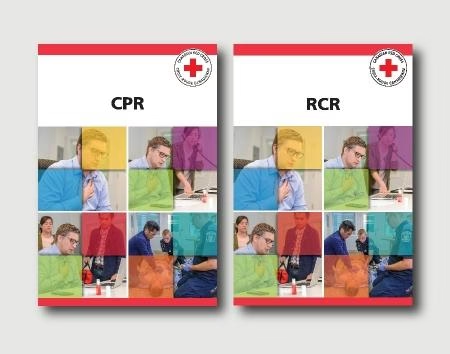
A step-by-step guide to CPR and automated external defibrillation (AED).
Common Causes & Prevention
Cardiac arrest can result from heart disease, drowning, suffocation, trauma, or severe allergic reactions. Prevention includes regular health check‑ups, managing chronic conditions, safe environments for children, and learning first aid skills.
Recognizing Emergencies
Look for unresponsiveness, abnormal or absent breathing, and lack of pulse. In infants, signs may include limpness, bluish skin, or no crying.
Step‑by‑Step Guide
1. Ensure Safety: Check the scene for hazards before approaching.
2. Assess Responsiveness: Tap the shoulder (or foot for infants) and shout. If no response, call emergency services immediately.
3. Airway:
- Adults/Children: Tilt head back, lift chin.
- Infants: Use a gentle head tilt, careful not to overextend.
4. Breathing: Look, listen, and feel for 10 seconds. If absent or abnormal (gasping), begin CPR.
5. Circulation (CPR):
- Adults: Place heel of one hand on chest center, other hand on top. Compress 2 inches deep, 100–120 per minute. After 30 compressions, give 2 rescue breaths.
- Children: Use one hand if small; compress about 2 inches. Ratio remains 30:2.
- Infants: Use two fingers in the center of the chest, compress about 1.5 inches. Ratio 30:2.
6. AED Use:
- Turn on the device and follow prompts.
- Attach pads: Adults—upper right chest and lower left side. Children/infants—use pediatric pads if available; if not, adult pads can be used, one on chest and one on back.
- Allow AED to analyze rhythm. If advised, deliver shock, then resume CPR immediately.
Continue Care
Repeat cycles of CPR and AED use until professional help arrives or the person shows signs of recovery.




Reviews
There are no reviews yet.